Face Recognition in a High-Complexity Security Environment
Gaming and entertainment venues operate under a security profile that is genuinely distinct from most commercial settings. High-density foot traffic, large-volume cash transactions, disputes driven by financial stress, alcohol-related behavioral unpredictability, and active fraud and cheating attempts all share the same physical space, often through the night. Traditional security relies heavily on staffing, which is expensive and always leaves coverage gaps that experienced bad actors learn to exploit.
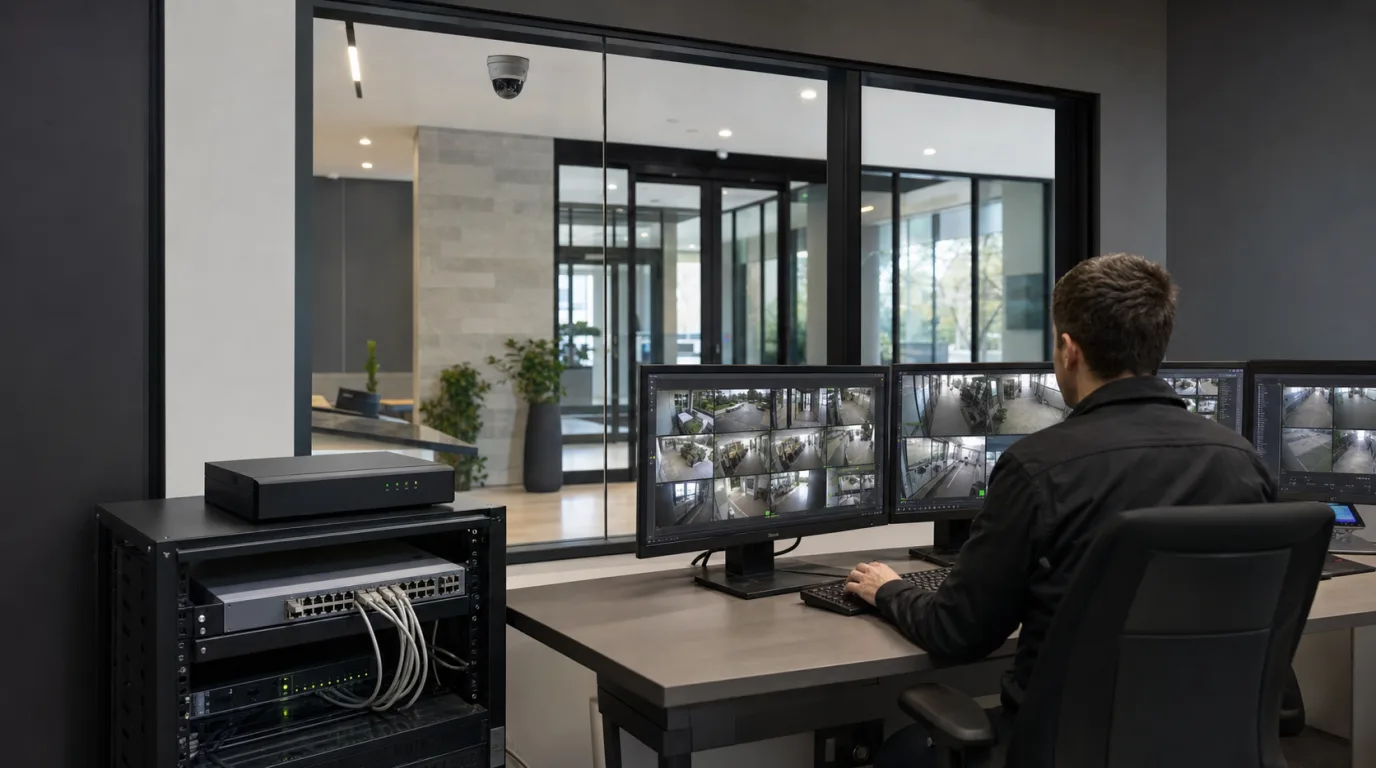
Face recognition addresses the identification problem directly. A watchlist database populated with known fraudsters, self-exclusion registrants, and individuals with documented violent incidents allows cameras to flag matches in real time. Security staff receive an alert within seconds of a flagged individual entering the camera field of view. Interception can happen at the point of entry rather than after a confrontation has already developed on the gaming floor, which is a meaningful operational difference in a setting where early intervention changes outcomes.
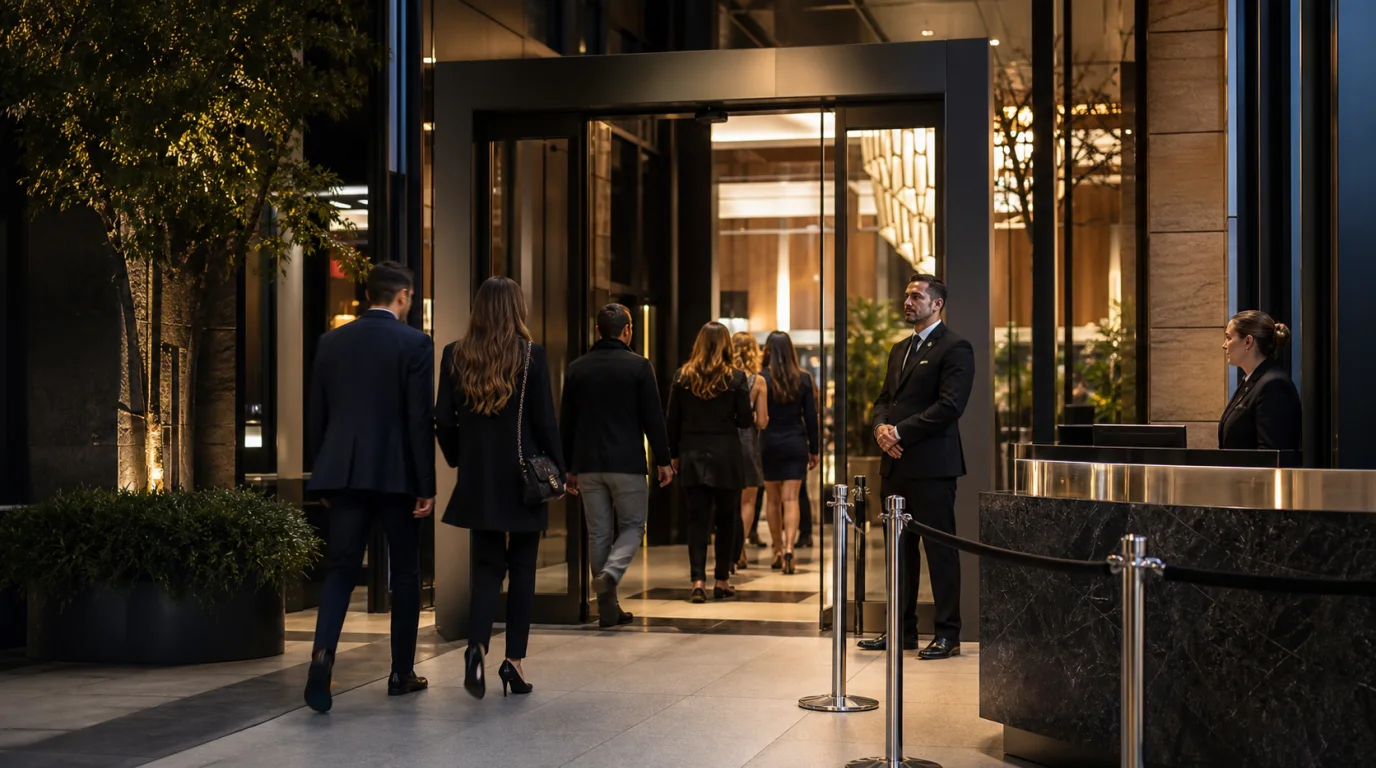
The same technical mechanism inverts naturally for hospitality purposes. Recognizing a VIP guest at arrival and notifying reception staff before the guest reaches the desk converts a security tool into a service differentiator. Both applications run on the same camera infrastructure, governed by different databases and rule sets that produce different actions for different individual profiles. Most high-end operators run both use cases simultaneously, extracting operational value from the same hardware investment.
Access Control: Authentication That Moves from Credential to Person
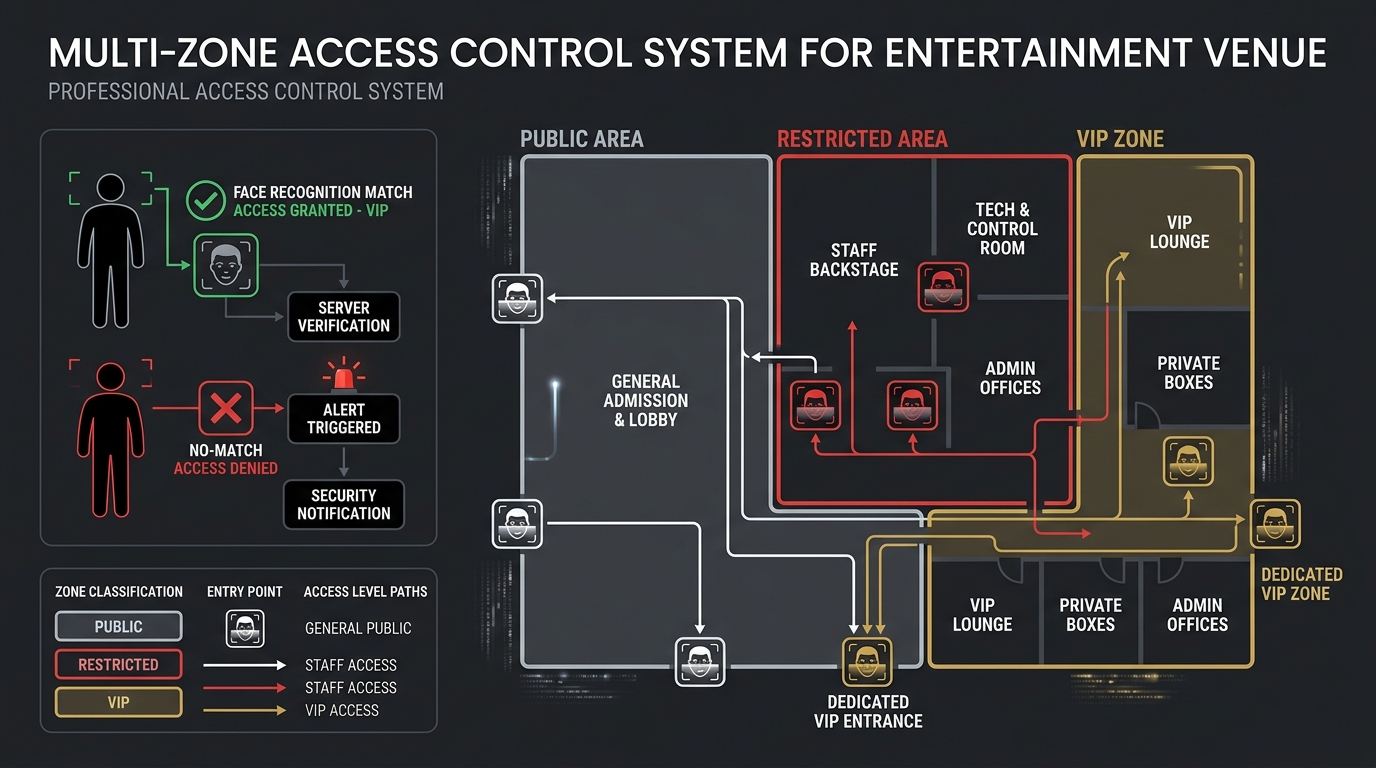
Large gaming properties operate multiple access tiers: public gaming floors, staff corridors, cash counting rooms, surveillance suites. Physical card systems are the historical default. Cards get lost, lent to colleagues, and cloned. More critically, a card does not confirm that the person presenting it is the person it was issued to, which is the fundamental authentication problem that physical credentials cannot solve on their own.
Facial recognition access control addresses that problem at the root. Only enrolled, authorized faces pass through restricted access points. The lost-card and borrowed-card attack vectors are eliminated because the credential cannot be separated from the person. High-security zones can layer additional factors, such as face recognition combined with a PIN code, or access restricted to defined time windows that correspond to authorized work schedules. The added security does not require additional manning at the access point itself.
Every access event logs automatically with a timestamp and links to associated camera footage, creating an audit trail that is both complete and non-repudiable. When a cash discrepancy or missing item is discovered, investigators begin with a structured record of who entered which area and when, rather than a manual review of hours of footage across multiple camera feeds. Investigation timelines compress from days to hours. The completeness of the record also functions as a deterrent: employees who know their access is continuously logged and cross-referenced with footage tend to behave differently from those who do not.
Audit Trails, Cross-Property Networks, and Regulatory Records
Traceability functions as a deterrent in cash-handling environments in ways that are consistently underestimated before implementation. Organizations that introduce comprehensive audit trails into cash-adjacent operations typically see reductions in minor daily discrepancies that exceed management projections. Awareness that every access event is recorded and cross-referenced changes behavior before any specific policy enforcement occurs.
Regulatory compliance is the practical dimension that most gaming operators cannot opt out of. Many jurisdictions impose specific requirements around security record retention, access logging for restricted areas, incident documentation, and surveillance coverage standards. Integrated camera and access control systems automate the production and storage of these records, reducing the compliance overhead that previously required manual documentation, and lowering the risk of incomplete files during regulatory inspections.
For multi-property gaming groups, cross-venue identification sharing represents a long-term network effect. An individual banned at one property can have their status propagated automatically to sibling venues without relying on manual notification between security teams. The collective identification capability of the group becomes coordinated rather than fragmented, and each new property added to the network strengthens the coverage of the entire portfolio rather than operating as an independent installation.