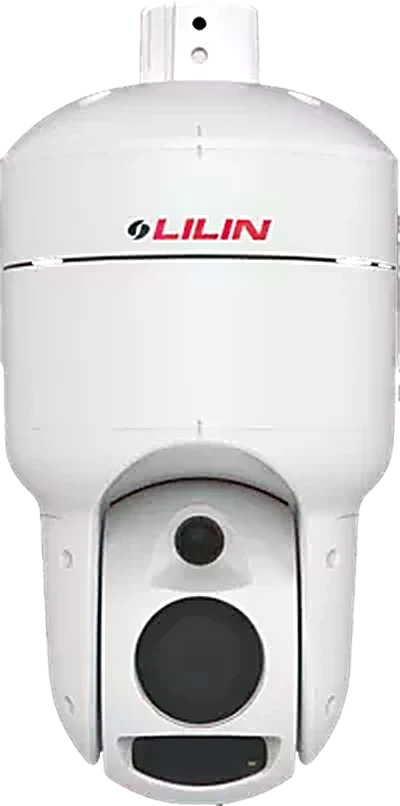
NIGHTHAWK Bi-Spectrum PTZ · LILIN S7 Series
See what used to be invisible
Thermal and visible imaging, fused in a single PTZ. The thermal core depends on no light source at all, so the picture holds in total darkness, and the camera switches to full color the moment you need a face, a plate, a detail.
-
0 lux
Operates in complete darkness
-
30x
Optical zoom to confirm distant targets
-
2-in-1
Thermal + visible, one dome
-
NDAA
& TAA compliant, made in Taiwan
One Scene, Two Ways of Seeing
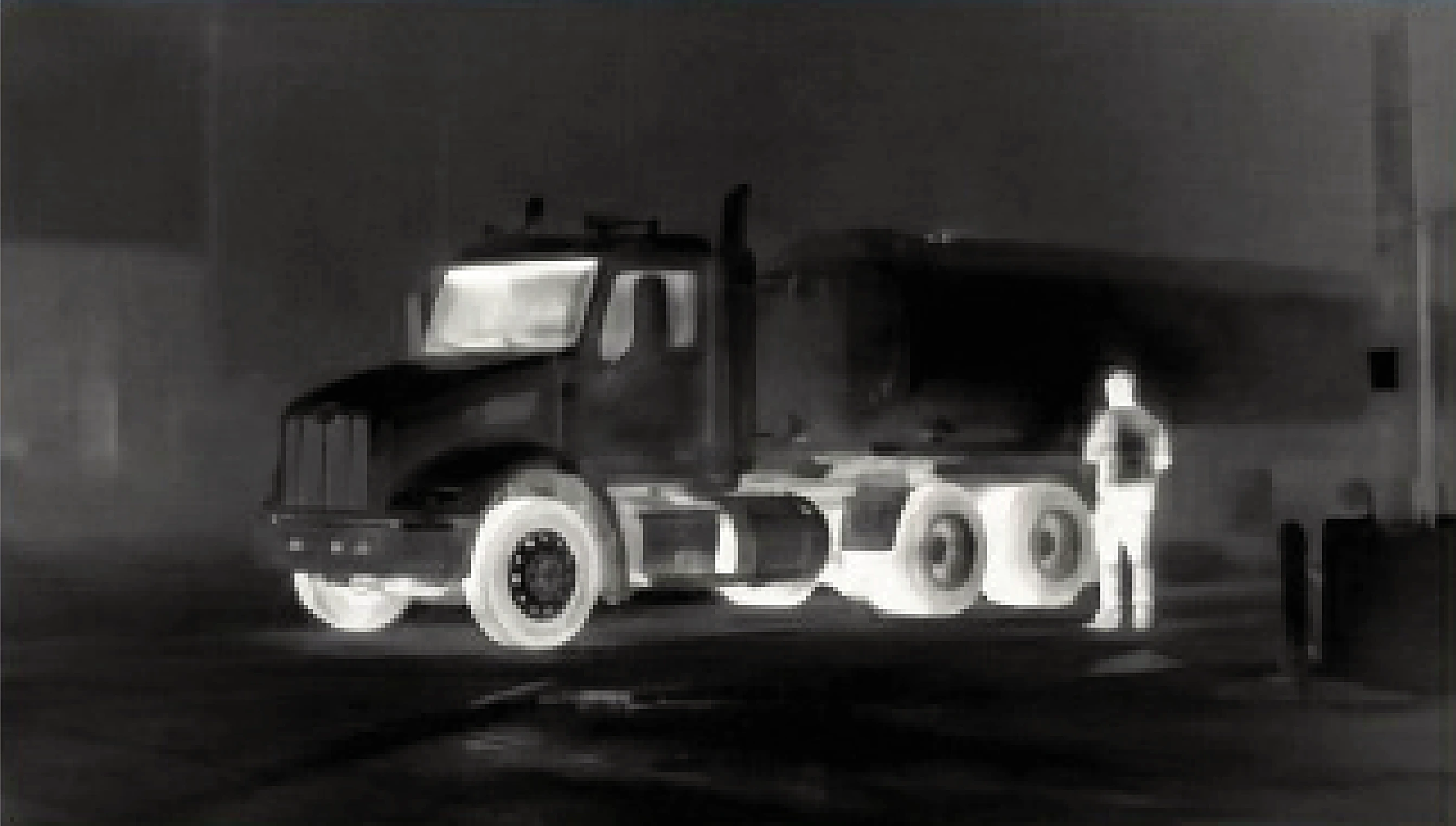
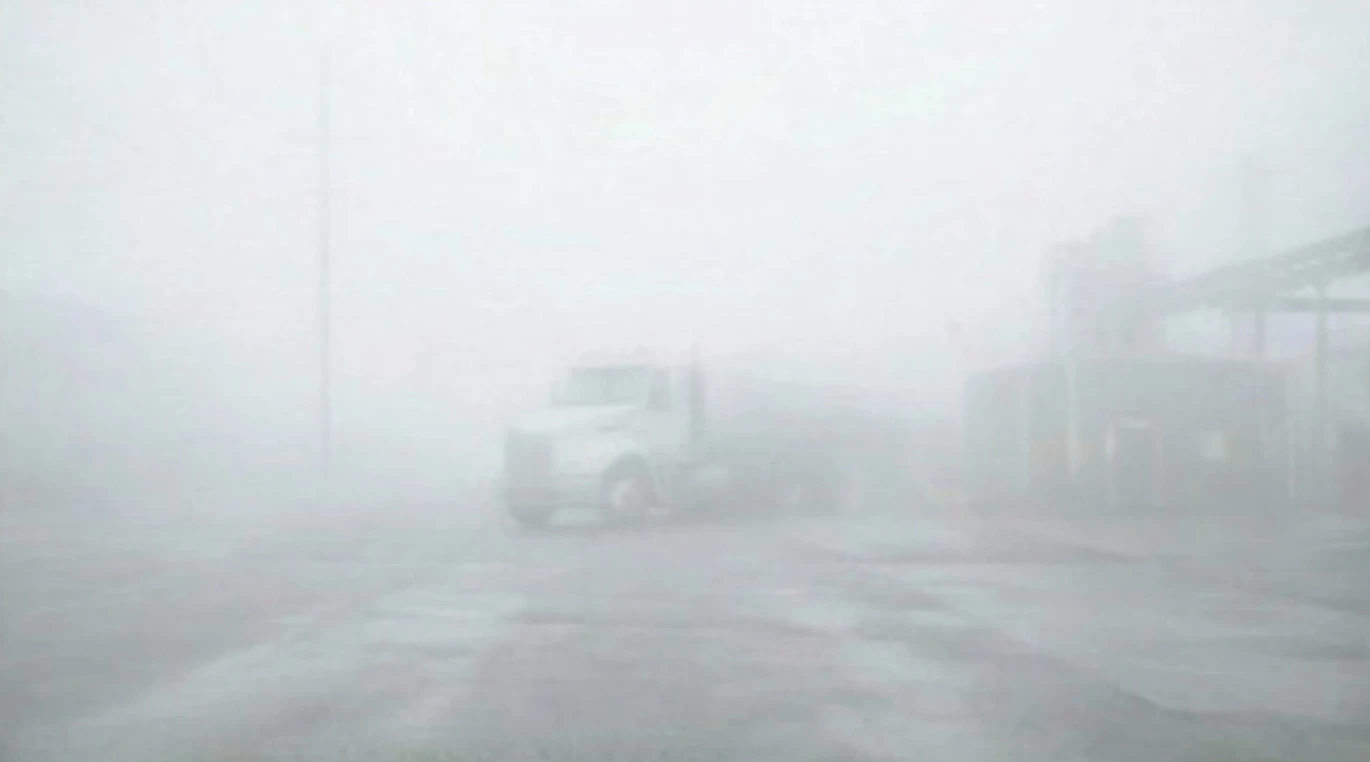
Naked eye
How It Sees Without Light
A thermal core forms a picture from heat alone, so darkness is no limit. A visible sensor adds detail the moment there is light. LILIN’s FUSION algorithm merges the two into one image, and no IR illuminator ever gives the camera away.
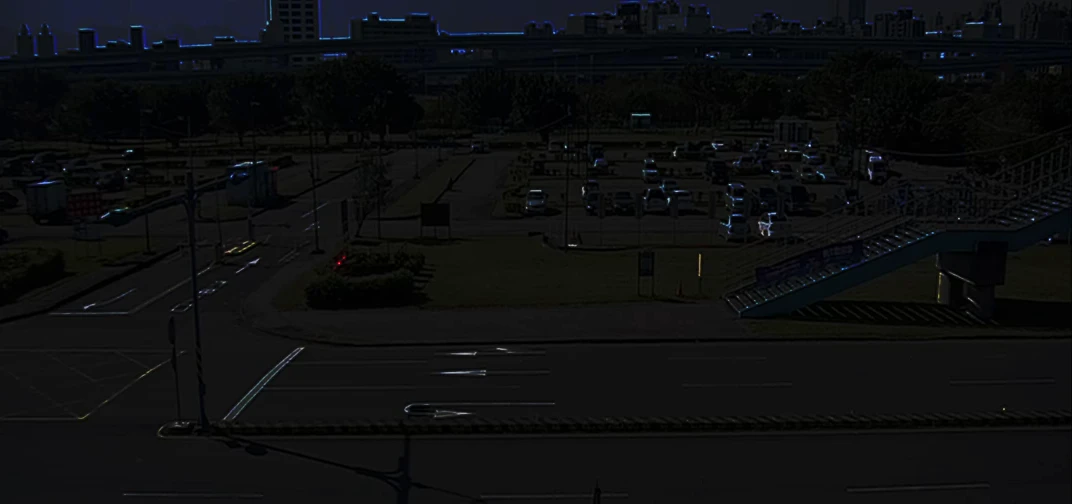
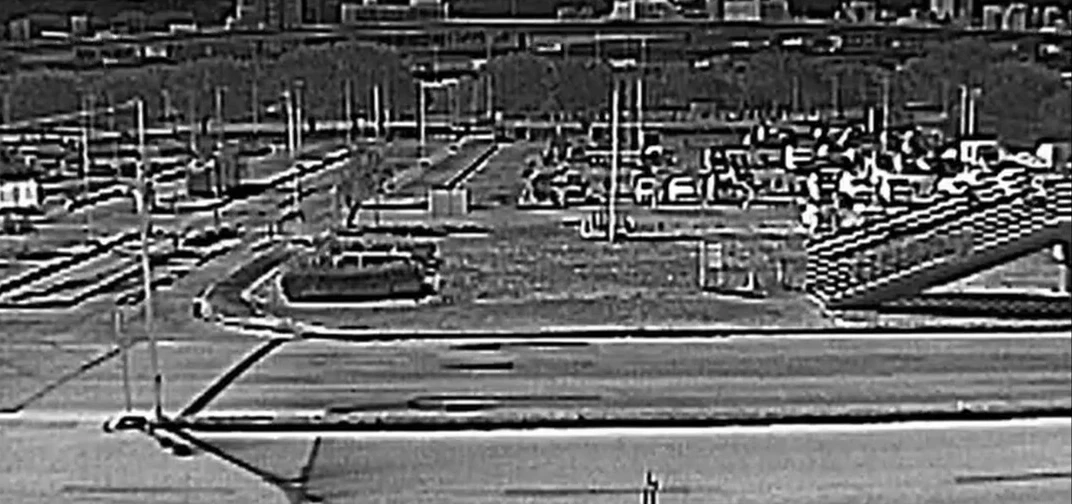
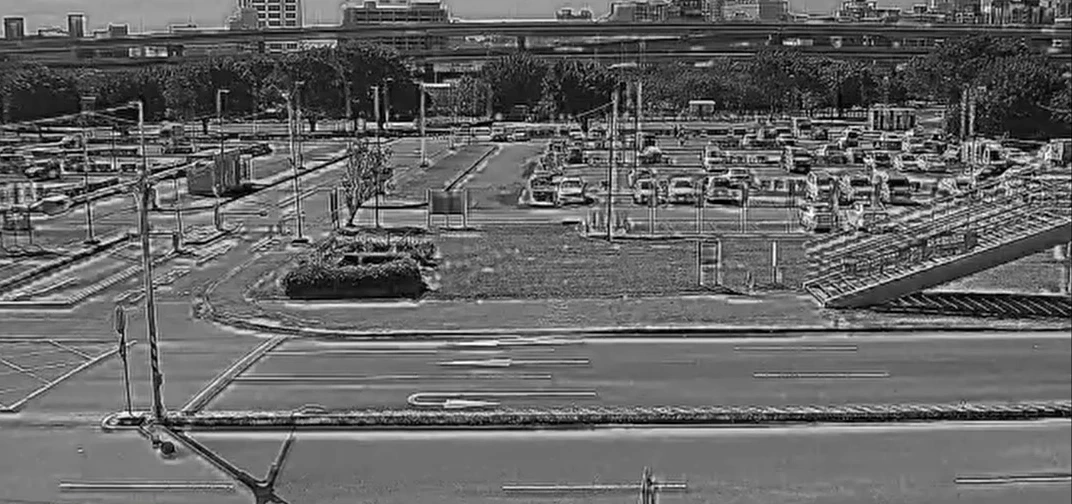
Moonlight only: the scene is barely there.
Sees by Heat Alone
A long-wave infrared (LWIR) sensor images the thermal radiation a scene gives off, with no illumination needed whatsoever.
Covert by Design
With the illuminator-free variant the unit emits no light at all; a deliberate sweep of the site finds nothing.
FUSION Clarity
An exclusive algorithm merges thermal and visible into one high-contrast image, sharper than either alone.
Color on Demand
When light allows, the visible sensor layers in the RGB detail that heat alone can’t carry.
Auto Tracking Triggered by Heat
When the scene gives a camera nothing to work with, NIGHTHAWK works from the one thing no target can hide: heat. The PTZ locks onto moving targets and follows them automatically, so one camera covers a wide area and streamlines patrol efficiency.
-
Detect
Thermal flags movement and the PTZ tracks it automatically.
-
Fuse
FUSION folds both feeds into one usable picture.
-
Confirm
Visible detail settles who and what, on demand.
Built for the Places Light Can’t Reach
No floodlights and no visible camera position, yet the night activity of a site stays in view.

Mining
Zero-Light Pit and Perimeter
Track haul roads, pit edges and heavy equipment through dust and darkness, keeping night operations in view.

Harbour
Object Detection in Sensitive Zones
Detect and track people and vessels entering quays and container yards, imaging through fog that blinds the naked eye.
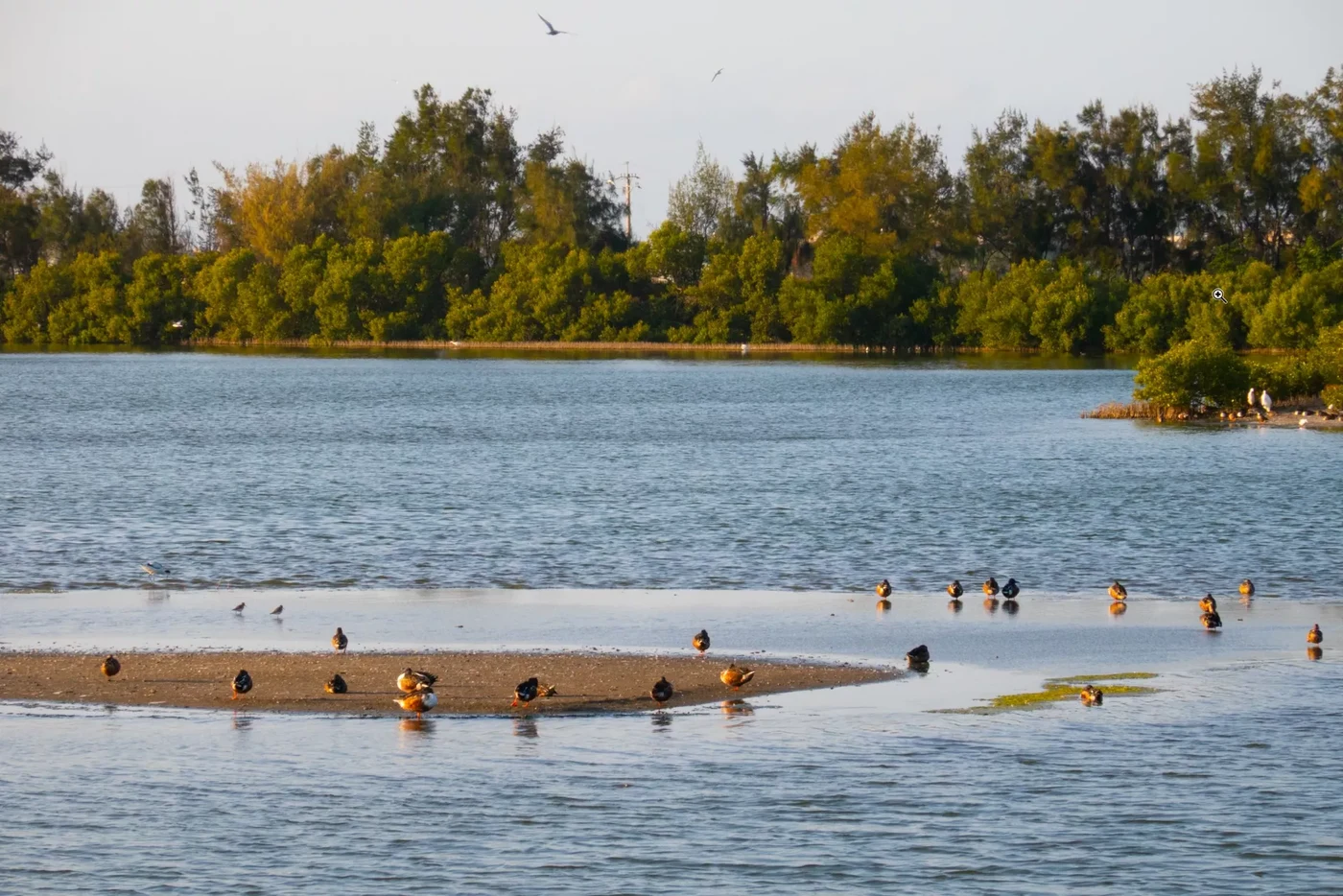
Ecological park
Wildlife Watch, No Light Pollution
Follow nocturnal wildlife by heat signature, with no lamps, no light pollution and no disturbance to the habitat.
Recommended model for these scenes: S7R5924EX30-T3
More Fields of Use
The same thermal imaging and auto tracking are deployed across these fields.
Border & Perimeter
People and vehicle movement along long unlit boundaries, covered end to end.
Critical Infrastructure
Perimeter protection and night patrol for substations, reservoirs and plants.
Energy & Utilities
Remote unmanned sites monitored without building out lighting.
Transport & Logistics
Full view of yards, rail and depots through the night shift.
Defense & Security
Covert missions where zero light signature is required.
Smart City
Night patrol coverage for parks, waterfronts and back-of-house areas.
A Complete Night Watch
NIGHTHAWK drops into the LILIN ecosystem and NAV 5.0 with no rip-and-replace, adding zero-light coverage exactly where it is needed.
- Imaging
- Thermal + visible dual sensor, merged by the FUSION algorithm
- Thermal Core
- Uncooled microbolometer, NETD <50 mK, 8–14 μm band
- Optics
- 30x optical zoom (4.3–129 mm) with 2MP live video
- Protection
- IP68, IK10 housing, -30°C to +50°C operation
- Covert Option
- An illuminator-free variant emits no light at all
- Compliance
- Meets both NDAA and TAA requirements
Recorded in Real-World Scenarios
A Bi-Spectral PTZ That Meets Both NDAA & TAA
Specify it into US federal, defense and allied-infrastructure projects with no compliance exception to argue for. Manufactured in LILIN’s own factory in Taiwan. See the NDAA & TAA page for details.