Delivering Precise Smart Recognition Solutions to Serve Elite Clients
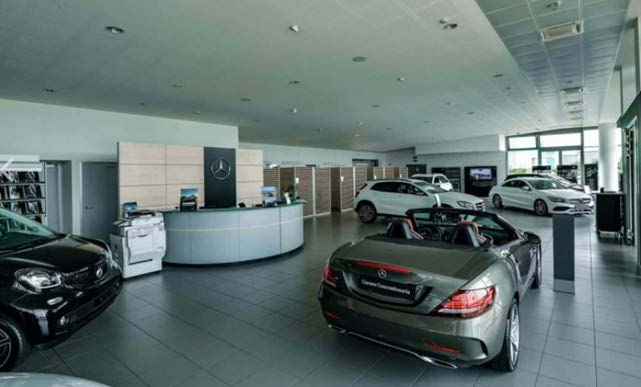
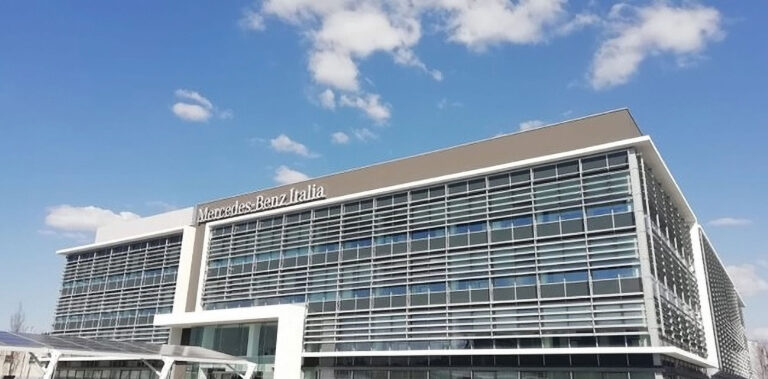
Located in Italy, the Mercedes-Benz factory is one of the world’s largest luxury car manufacturers. To enhance their service, they require an accurate license plate recognition solution that can automatically identify plates as customers enter the facility.
The data obtained from recognition can be linked to an official database to retrieve the vehicle and owner’s history, enabling service staff to quickly access essential information while significantly reducing customer wait times.
Deploying this solution for a single factory is not a difficult task. However, the owner’s goal is to scale it across nationwide dealerships, which puts the solution’s stability and scalability to the test.
First, can the central control system handle the management of thousands, or even tens of thousands, of cameras? Can the organization and binding of images and data be systematically integrated with the backend system? And as data volume grows, can the system’s response speed remain stable? These are all key concerns for the owner.
Below are the key requirements outlined by the owner after discussions with the integrator:
- Standardization
Implement an integrated, modular system equipped with analytical capabilities. - Compatibility
Compatible with existing access control and security systems. - Centralization
Establish a single control center in the data center control room to manage both local and remote systems. - Support
Support for Control Room Configuration Provided Directly by the Manufacturer
As LILIN’s Italy branch has exceptional technical integration experience in the region, LILIN was involved in discussions from the early planning stages. The outcome of these discussions was to proceed in three phases:
- Analysis Phase (2 months)
On-site surveys of headquarters and dealerships
Analyze existing systems and demonstrate the trial version of the control center suite - Design Phase
Define a centralized system focused on analysis and integration to develop an implementation template for remote distributors. - Implementation Phase
Gradual system installation
Provide ongoing configuration and activation support
The actually installed equipment includes:
- 180 pcs 5-megapixel cameras for analysis and environmental monitoring
- 18 pcs 8-megapixel cameras for license plate recognition
- Each distributor is equipped with 2 RAID-capable backup NVRs.
- The data center control room is equipped with dedicated workstations and a NAV control center suite.
- PC-based imaging software with customizable permissions
- Centralized NAV control center software
- Integrated with Active Directory for user management
The functions currently operational after deployment include:
- Achieve entry and exit automation and prevent theft through license plate recognition.
- Integration of artificial intelligence with anti-theft systems to control restricted areas
- Unified alert management and notifications via App, VMS application, and client software
- Efficient centralized management of local and remote data centers
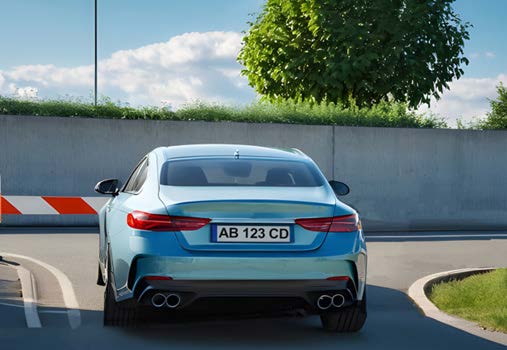
Consolidating all operations into a single platform has eliminated the inefficiencies commonly seen in the patchwork of legacy systems. Thanks to the direct support from LILIN, the overall setup and maintenance costs have also been significantly reduced. Beyond its role in welcoming customers, the system also takes on part of the site’s security work.
The Mercedes-Benz factory in Italy and the Honda customer service center in Taiwan are two of many sites that have adopted this type of smart surveillance deployment.