Flexible Deployment and Total Protection
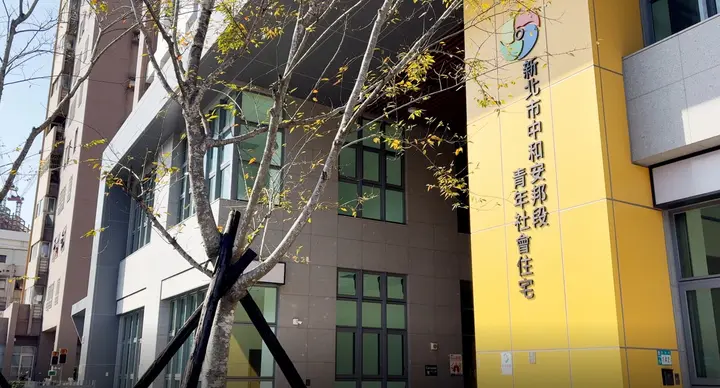
Zhonghe Youth Social Housing is a large residential community in New Taipei City serving young entrepreneurs, newlywed families, and vulnerable groups. The complex of over 1,000 units requires a security system that can address safety and operational efficiency. Merit LILIN deployed a security framework combining AI and edge computing technologies for this project.
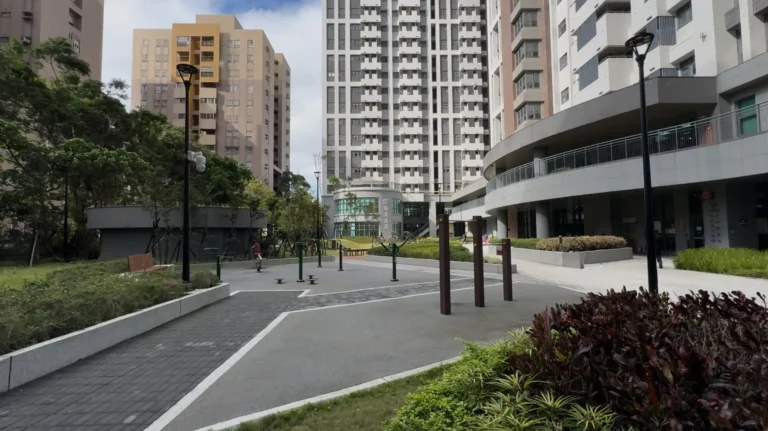
The complex has extensive public facilities and open spaces requiring precise surveillance. High-resolution cameras at main and side entrances detect unauthorized entry and access control anomalies during off-hours, sending immediate alerts to the security center. This real-time alert system helps prevent unauthorized access before occupants enter the building.
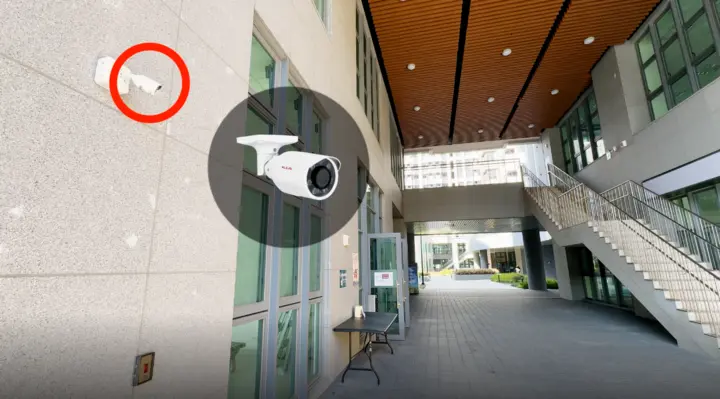
The project uses edge computing for security functions. LILIN cameras have integrated AI chips that process image recognition and data analysis on the camera itself, rather than transmitting raw footage to a backend server. This approach provides the following operational benefits:
Real-time Response
Anomaly detection occurs without the need to transmit data back to a back-end host, reducing latency.
Reduced Hardware Costs
The system operates without extra PCs or high-end servers, saving server room space and lowering power consumption.
Simplified Maintenance
The minimalist architecture reduces the risk of hardware and software failure, lowering long-term operational and maintenance expenses.
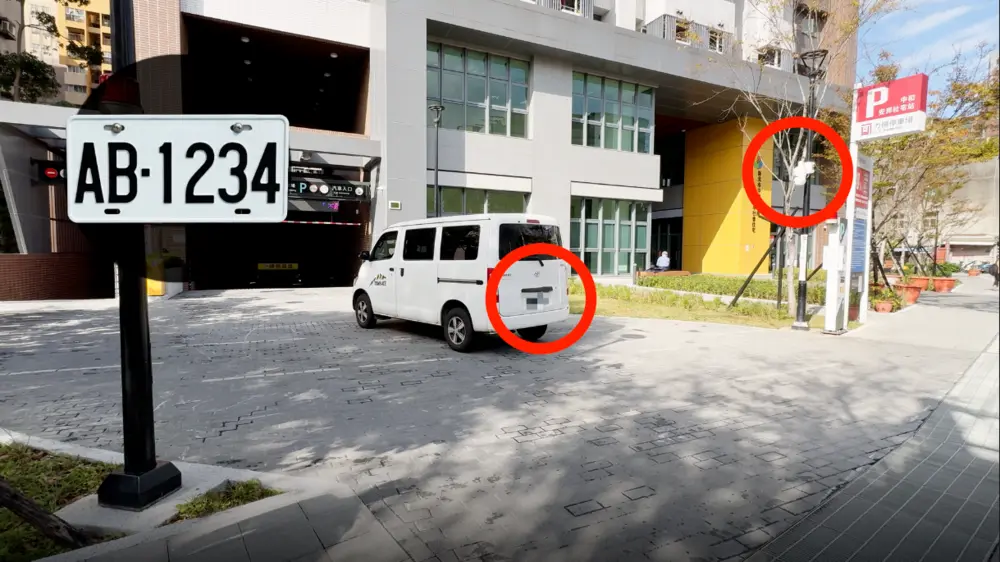
The underground parking lot handles high vehicle traffic, requiring a License Plate Recognition (LPR) system. The system captures plate information across different lighting conditions to maintain access logs and triggers alarms for unauthorized vehicles. For residents, the LPR system identifies registered vehicles and opens gates automatically, reducing wait times during peak hours.
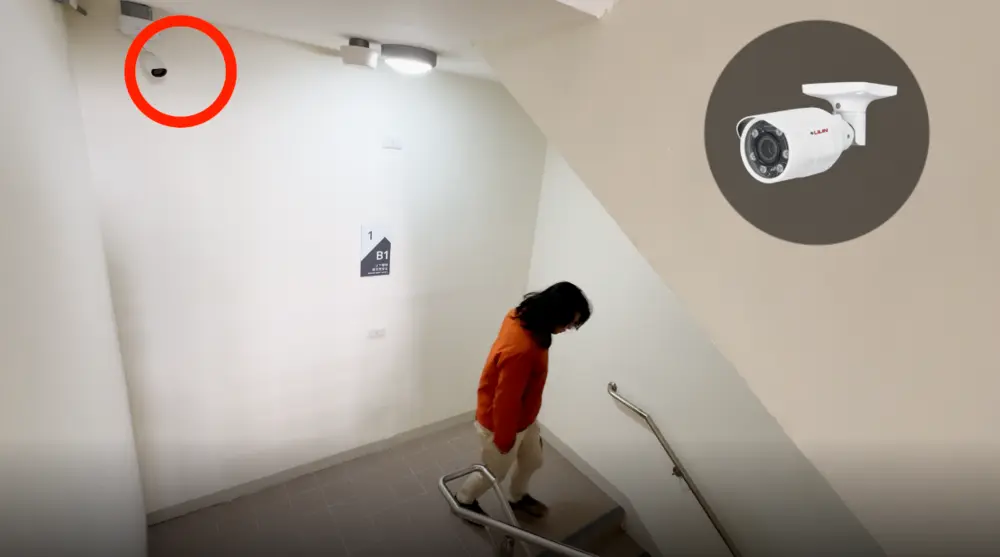
In energy-saving areas like stairwells with dim lighting, traditional cameras produce blurry or monochrome images. The project uses LILIN low-light cameras that capture clear, full-color footage even in near-total darkness, helping security personnel identify details during incidents while the community maintains its energy-saving lighting policies.
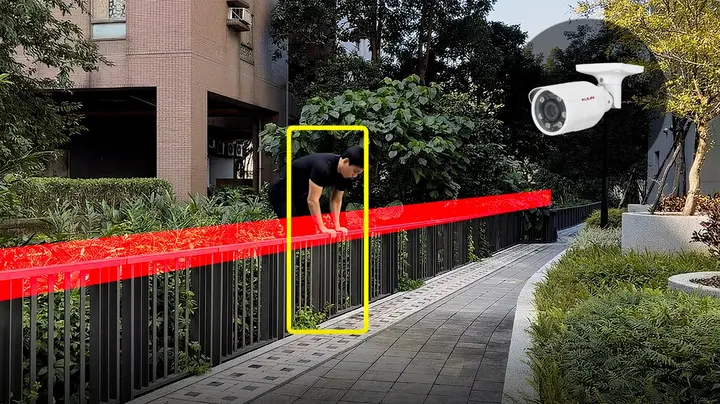
Virtual Fencing for Sensitive Areas
Virtual fencing is deployed in equipment rooms and perimeter walls to supplement property management patrols. Administrators define restricted zones, and the system alerts when boundaries are crossed. This reduces patrol frequency and allows security staff to focus on high-risk areas, lowering labor costs.
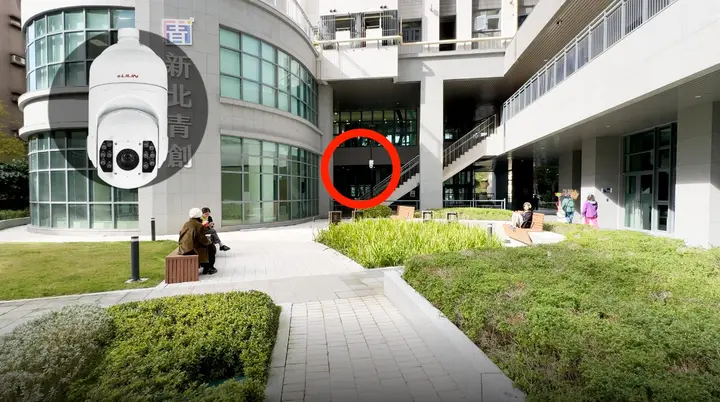
PTZ Cameras for Recreational Areas
LILIN Speed Dome (PTZ) cameras are deployed in recreational and public spaces. These cameras provide optical zoom and pan-tilt-zoom capabilities to monitor crowded areas with children and seniors. If an incident occurs, operators can zoom in to capture details for incident response.
This project integrates edge computing, LPR, low-light imaging, and virtual fencing to support daily operations at Zhonghe Youth Social Housing.