Leveraging Smart Cameras for Proactive Risk Prevention
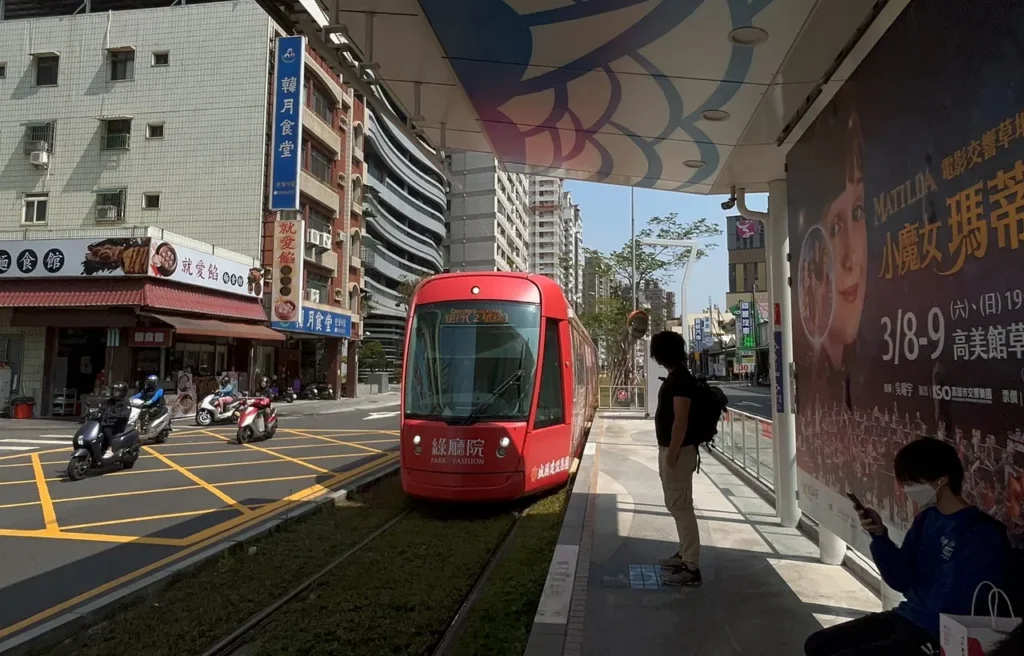
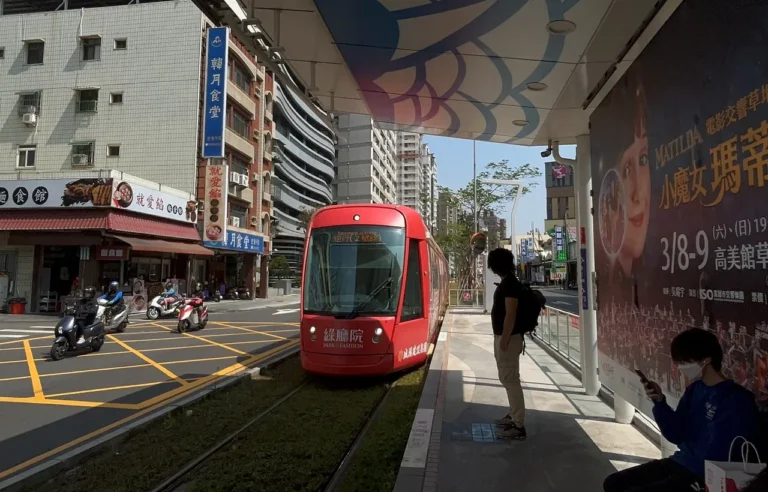
The Kaohsiung Light Rail, a cornerstone of the Kaohsiung City Government’s public transportation initiatives, began trial operations in 2015 and has since become an integral part of the city’s transportation network. As a track-supported urban light rail system powered by electricity, it features a small turning radius, gradient adaptability, and simple station designs, allowing flexible navigation through city streets with dedicated or segregated rights-of-way. This ensures both efficiency and safety.
Beyond serving the daily commuting needs of Kaohsiung residents, the light rail connects key attractions such as the Pier-2 Art Center, Love Pier, and Dream Mall, boosting tourism and economic growth. By 2025, the light rail has become one of the city’s signature sustainable transit projects.
Challenges in Light Rail Monitoring and Safety Concerns
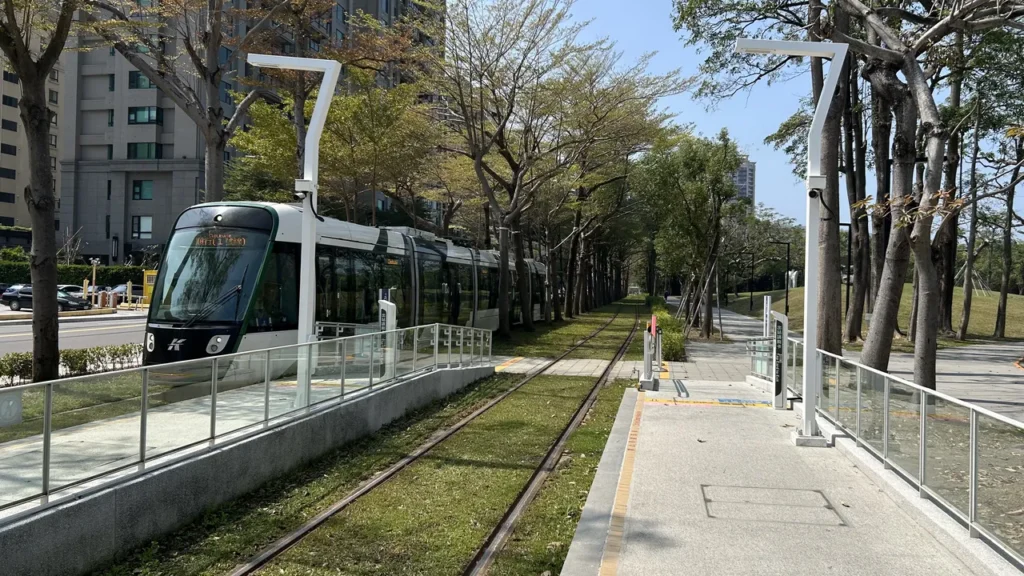
Spanning urban and suburban areas, the Kaohsiung Light Rail traverses diverse environments, including busy city roads, green spaces, riverbanks, and residential zones. This complexity introduces significant safety challenges, with one of the most pressing issues being unauthorized intrusions into the track area by animals or individuals. Stray cats, dogs, birds, or other wildlife may wander onto the tracks, triggering emergency braking, causing delays, or even posing collision risks. Additionally, pedestrians or cyclists occasionally stray into dedicated right-of-way zones, further amplifying safety concerns.
Traditional monitoring methods rely on manual inspections or fixed-camera recordings. Manual inspections are time-consuming and labor-intensive, with coverage gaps across sections. Conventional cameras record footage but lack detection and alert functions, requiring backend staff to review recordings manually after an incident occurs—increasing labor costs and delaying response. The extensive and dispersed nature of the light rail network complicates centralized monitoring. Delayed incident responses result in missed prevention opportunities and increased passenger safety risks.
LILIN’s Intelligent Video Analytics Solution
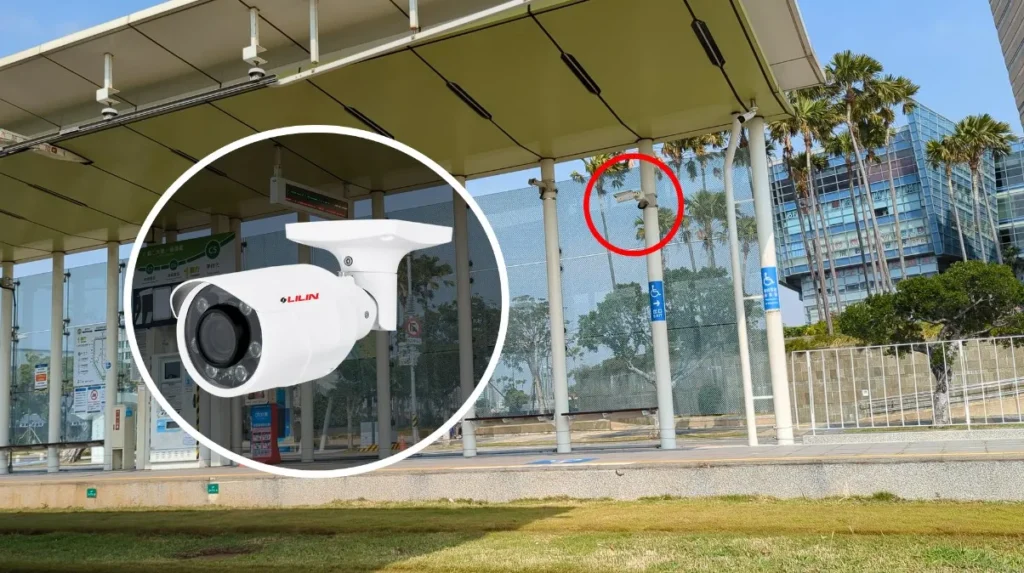
LILIN proposes deploying smart cameras equipped with AIDA image recognition technology for track safety monitoring. LILIN’s smart cameras integrate AIoT applications and edge computing to perform video analytics directly at the camera level, without backend servers or AI processing units. This approach reduces system complexity and processing latency.
Intelligent Video Analytics and Animal Intrusion Alerts
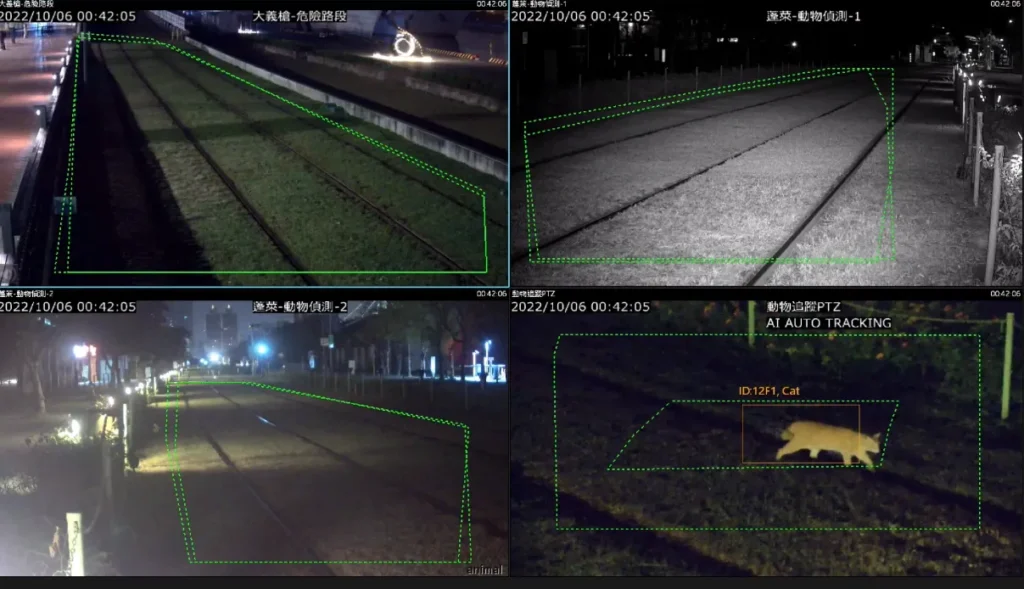
LILIN’s AIDA image recognition technology detects anomalies on the tracks, particularly intrusions by animals or unauthorized individuals. Deep learning algorithms enable the cameras to identify animal types (e.g., cats, dogs, birds) and behaviors (e.g., lingering or crossing the tracks). When an anomaly is detected, the system alerts the control center. For instance, if a stray dog enters the tracks, the camera sends an alert, allowing the control center to dispatch personnel to clear the area. Faster alerts reduce delay risks and safety incidents.
Remote Management and Unattended Operations
The LILINHub App enables remote management—administrators monitor camera status and receive alerts for failures or anomalies. The control center oversees the network without large on-site teams. Cameras include encrypted cloud communication and automatic updates. This operation model reduces on-site maintenance needs and labor costs.
Reduced Labor Costs
Smart cameras reduce labor requirements versus traditional monitoring. Previously, the light rail used scheduled manual inspections or backend staff to review footage. Now cameras perform edge-level anomaly detection and alerting, requiring only a small team for follow-up. This reduces labor costs and response times, freeing budgets for passenger services or infrastructure upgrades.
Risk Prevention Through Data
LILIN’s video analytics log the frequency and locations of animal intrusions, helping management identify high-risk zones and implement preventive measures such as installing fences or warning signs. This approach can reduce incident rates over time.
Future Prospects
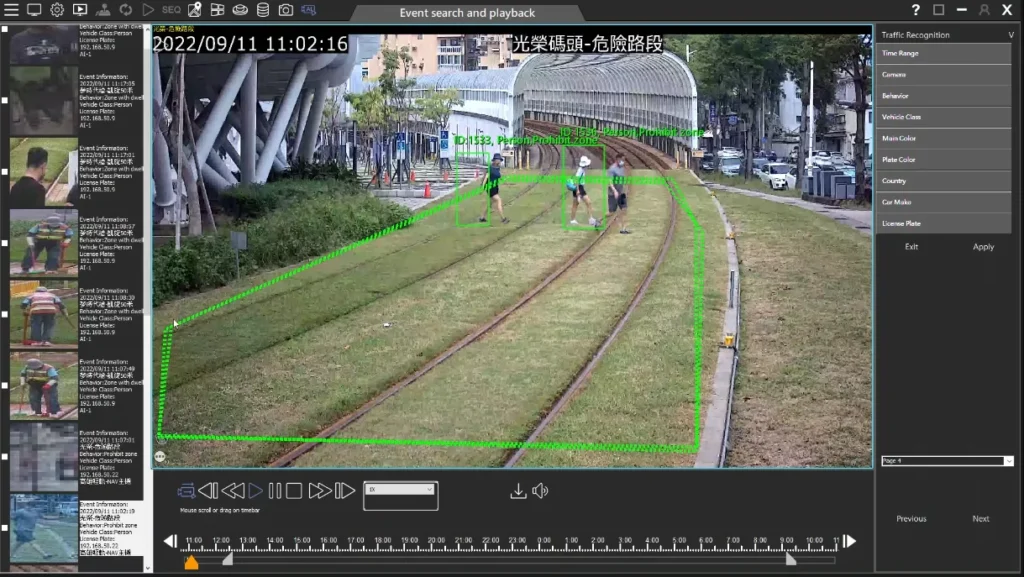
“Smart cameras can reduce train delays caused by anomalies,” said Steve Hu, CIO of LILIN. “Smart cameras offer capabilities like traffic and crowd detection to optimize train scheduling and station management. This improves both safety and operational efficiency.”
The same approach, edge-level detection with remote monitoring, applies equally to other rail transit systems with dedicated rights-of-way.