Late at night, a pair of headlights sweeps across a perimeter wall and the tree shadows shift. An alarm sounds in the guard room. The operator pulls up the feed, sees nothing, and closes the window. Another false alarm.
By the twentieth one that night, nobody is pulling up the feed anymore.
An Alarm Is Only as Good as Its Credibility
Classic motion detection has no idea what it is looking at. It only knows that pixels changed, so wind in the trees, a stray cat, or headlight shadows on a wall all count as events. Anyone who has staffed a control room knows what follows: operators verify the first few alerts, start skipping them after a dozen, and eventually tune out the channel entirely. The industry calls it alarm fatigue, and once it sets in, real events drown in the noise.
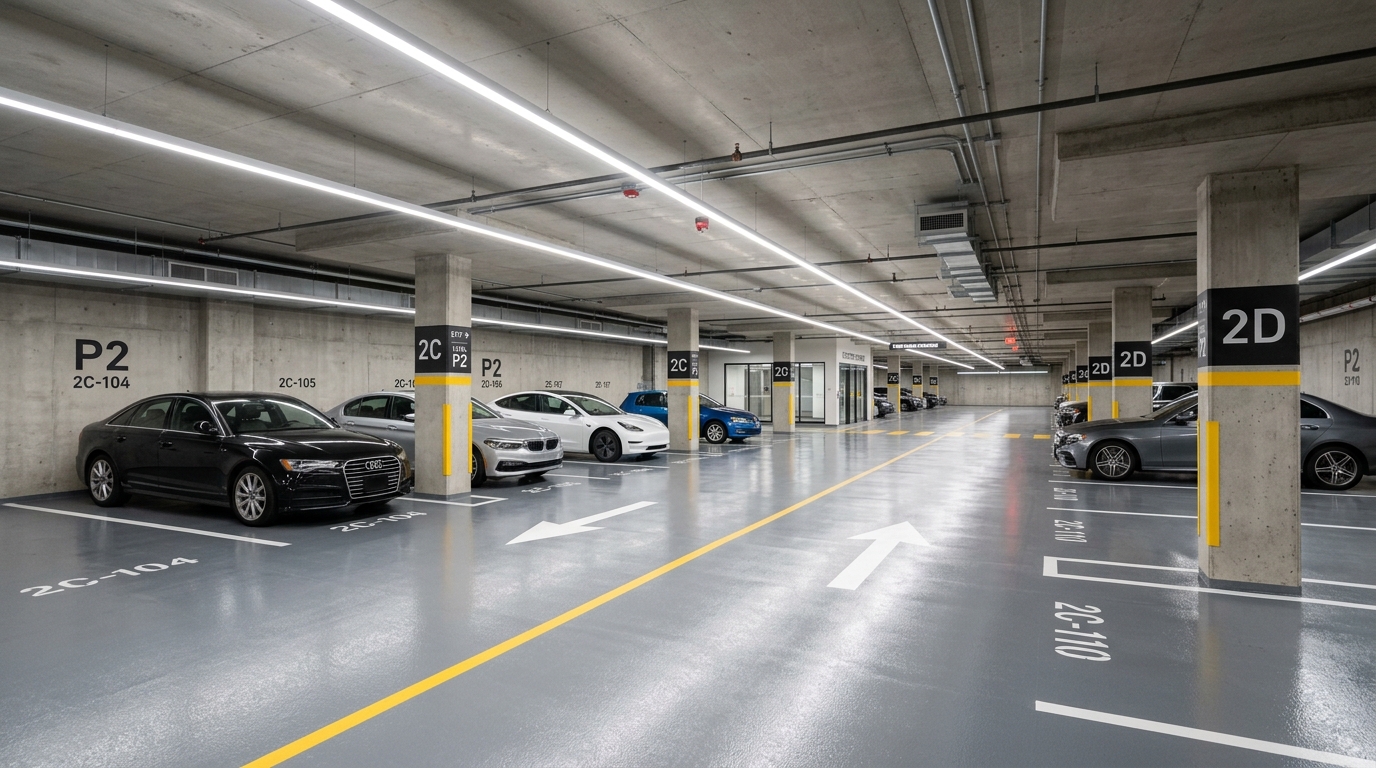
Accurate object recognition is the way out. The camera's analytics first classify moving objects as people, vehicles, or something else, then apply behavior rules that depend on the site. A parking lot cares about vehicles that stay too long, so it needs a dwell-time threshold and a defined detection zone. A perimeter cares about line-crossing, and the virtual line has to sit where the camera can still resolve a human figure; mount the camera too high or at too steep an angle and the recognition rate drops.
Beyond the parameters, site conditions produce false events of their own: backlighting, rain streaks, the insects an IR illuminator attracts on a warm night. Problems like these get solved by adjusting lenses, zones, and schedules over a few rounds of tuning. A more expensive camera rarely helps.
Edge AI moves recognition and event handling into the camera itself, which removes the need for a separate analytics server. The tuning still has to happen. It still takes several rounds of testing between the integrator and the end user to settle which events deserve a notification and how far to trust the detection. A camera with flexible settings makes that process much easier.
From the Camera to the Control Room
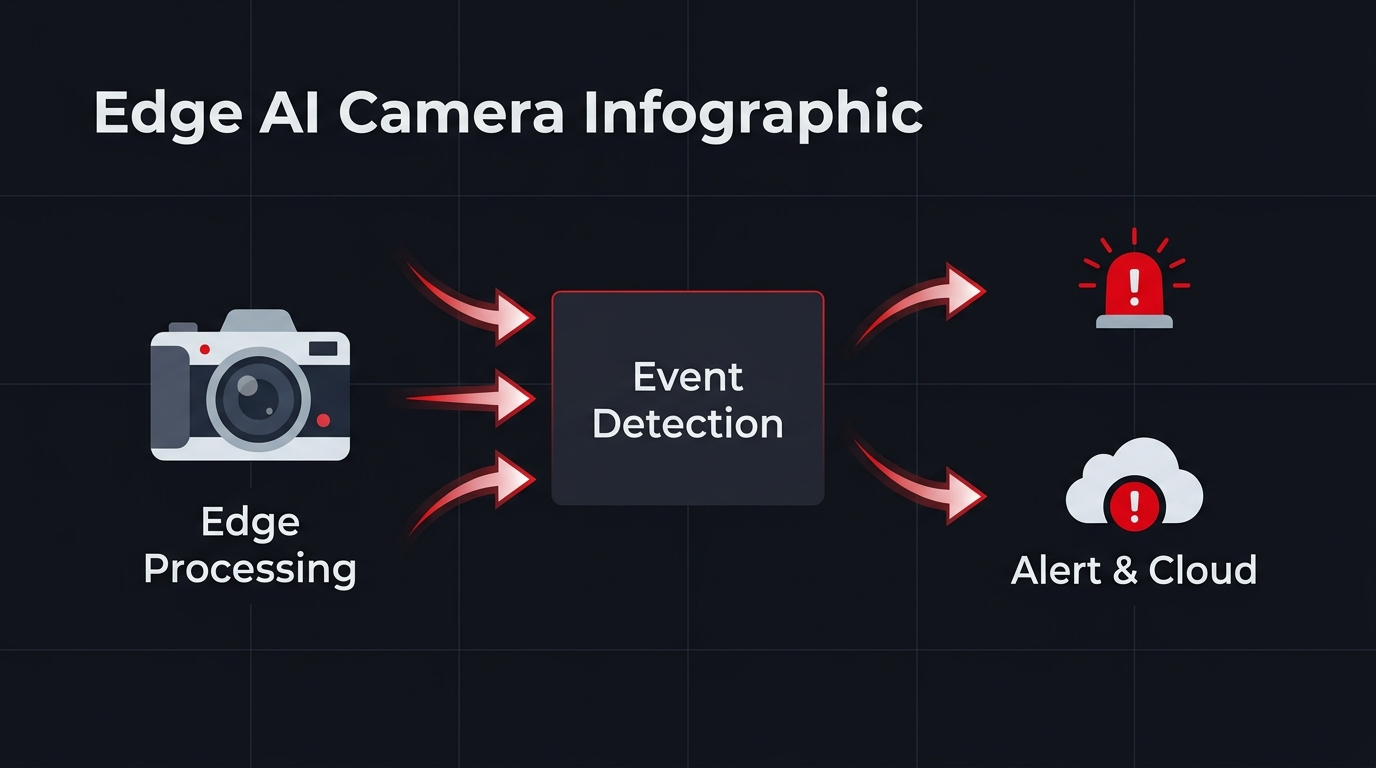
With the judgment made at the edge, the camera normally sends only event data and metadata, and the back end decides what to record and which systems to trigger. Bandwidth savings follow almost as a side effect: most sites have no reason to stream every frame back in full quality, and when something does happen, the high-bitrate video streams on demand.
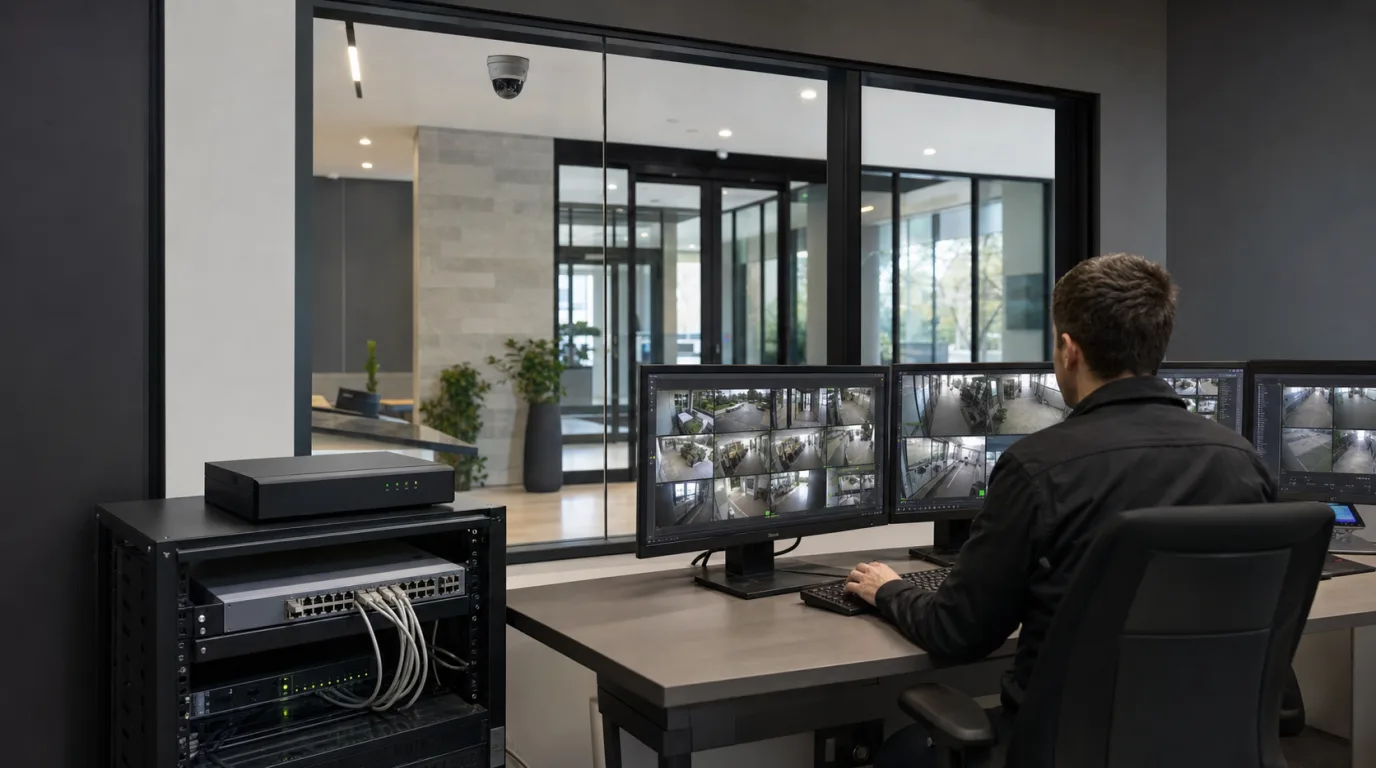
What happens downstream is the VMS's job. An incoming event brings the video to the operator's station and can simultaneously trigger access control, lighting, or on-site audio. From recognition to confirmation to response, it is one continuous chain.
Firmware and the Supply Chain Decide How Long a Camera Stays Safe
Once the system is tuned and the chain is connected, the remaining variable is time. Surveillance hardware outlives most IT equipment; five to seven years on the wall is normal. For all of those years the camera sits on the corporate network, receiving firmware updates and handling video and event data. That leaves procurement with a set of longer-horizon questions: where the chips come from, whether the vendor raises security concerns, who maintains the firmware, and who releases the patch when a vulnerability surfaces.
In the United States, those concerns are now written into procurement law. Section 889 of the National Defense Authorization Act (NDAA) bars federal agencies from buying video surveillance equipment from certain manufacturers, subsidiaries and affiliates included, and many private enterprises have added NDAA compliance to their own purchasing requirements. A sourcing review still needs to connect the manufacturer, its affiliates, the exact model, and the supplier declaration into a traceable record.
The real deliverable of AI surveillance is trust. That is the standard the technology has to keep meeting.